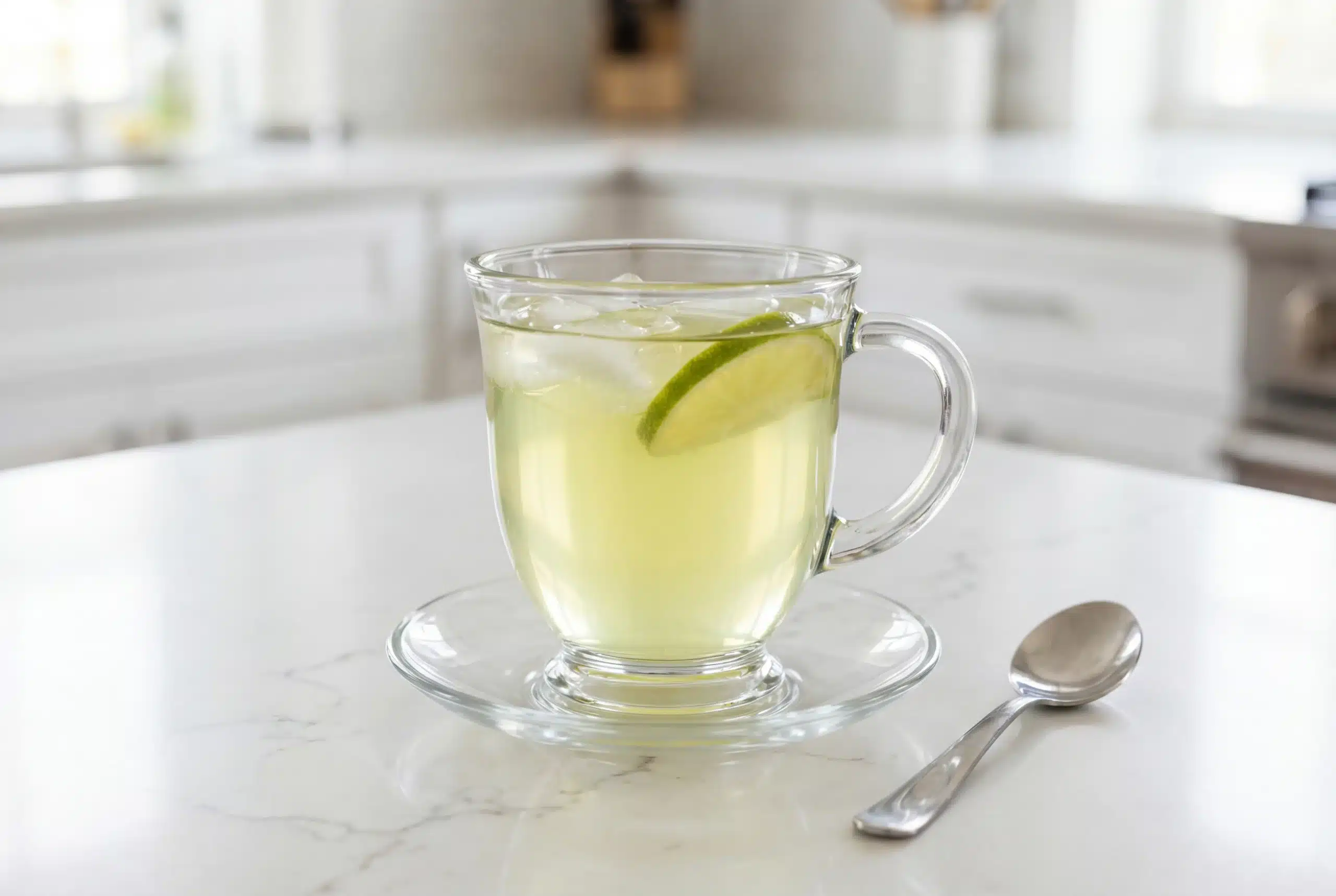
Lemon balm recipe for weight loss often appears online as a soothing herbal tea, yet its true value lies in steady daily support rather than bold promises.
I began brewing lemon balm during a particularly full season of life, when late dinners and restless nights quietly shaped my habits. In my grandmother’s kitchen, herbs never promised dramatic change. They offered calm, warmth, and small daily balance. Lemon balm always played that gentle role.
This tea does not burn fat. It does not flatten your stomach overnight. Instead, it may support better sleep, calmer evenings, and fewer stress-driven cravings. And sometimes, those quiet shifts matter far more than any extreme plan.
In this guide, you’ll find the exact recipe, clear timing guidance, realistic expectations, and what current research actually suggests.
PrintLemon Balm Recipe for Weight Loss Proven Tea
A calming lemon balm tea with optional ginger and honey. This recipe supports a simple nightly routine and may help with cravings through better wind-down habits.
- Yield: 2 servings 1x
- Category: Drink
- Method: Steeping
Ingredients
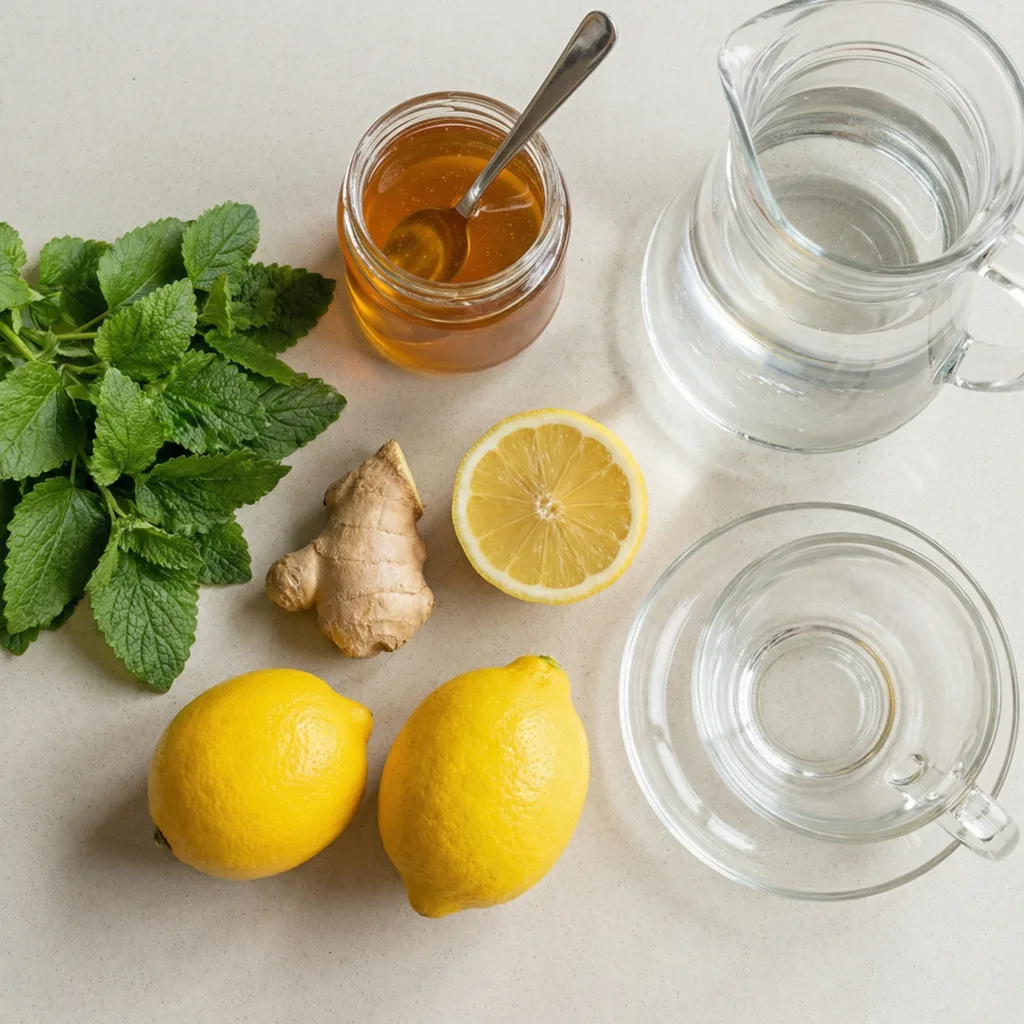
- 1 cup fresh lemon balm leaves
- 2 cups filtered water
- 1 tsp freshly grated ginger (optional)
- Juice of 1/2 lemon
- 1 tsp raw honey (optional)
Instructions
- Heat 2 cups filtered water until gently bubbling.
- Add lemon balm leaves to a teapot or infuser.
- Add grated ginger if using.
- Pour hot water over the herbs and cover.
- Steep for 7–10 minutes.
- Strain into a cup.
- Stir in lemon juice while warm.
- Add honey if using and stir.
- Sip warm and slowly.
Notes
- Steep 7 minutes for a lighter cup or 10 minutes for a stronger cup.
- For less bitterness, avoid boiling the tea and strain right after steeping.
- Storage: refrigerate brewed tea up to 48 hours; add lemon and honey when serving.
- Dried option: use 1 tbsp dried lemon balm for 2 cups water.
- Safety: if you are pregnant, breastfeeding, or taking medications (especially thyroid or sedatives), check with a healthcare professional before daily use.
- Nutrition note: values vary; calories provided only where sourced.
Nutrition
- Serving Size: 1 cup
- Calories: 35
Nutrition Overview
| Nutrient | Without Honey | With 1 tsp Honey |
|---|---|---|
| Calories | 2–5 kcal | 22–26 kcal |
| Carbohydrates | <1 g | 5–6 g |
| Sugar | 0 g | 5–6 g |
| Fat | 0 g | 0 g |
| Protein | 0 g | 0 g |
This tea stays very light on its own. Adding honey increases calories slightly, but the overall drink remains low in energy density.
Still, calorie count alone does not drive weight loss. Sustainable progress depends on sleep quality, stress balance, overall food patterns, and movement. Think of this tea as supportive, not decisive.
What Is Lemon Balm?
Lemon balm, known botanically as Melissa officinalis, is an aromatic herb in the mint family. It grows as a hardy perennial, and its leaves give off a gentle lemon scent when you rub them between your fingers.
People have brewed lemon balm as a calming tea for a long time, especially when they want something soothing after dinner or before bed. Since it’s naturally caffeine free, it fits nicely into an evening routine without the “wired” feeling that some teas can bring.
Modern research mostly focuses on its calming and sleep support potential, not direct fat loss. That distinction matters for this recipe. Lemon balm won’t “burn belly fat,” but it may support weight management indirectly by helping you feel calmer and sleep better, which can influence cravings and late night snacking.
Can Lemon Balm Support Weight Loss?
Lemon balm does not cause weight loss on its own. Researchers have not shown that Melissa officinalis directly burns fat or targets belly fat in humans. What it may do is support habits and body signals that influence weight over time, especially stress, sleep, and cravings.
Stress and Cortisol
When stress stays high, many people notice stronger cravings and more reward-driven eating. Studies link stress responses and cortisol patterns with appetite signals and cravings, including the way the body uses hormones like ghrelin.
Lemon balm shows calming effects in human studies and reviews, often measured as reduced anxiety or improved mood. If you snack less when you feel calmer, that can support your routine indirectly.
Sleep and Appetite Hormones
Short sleep can shift hunger cues. Research on sleep restriction shows changes in appetite, and many studies connect poor sleep with increased hunger and preference for energy-dense foods.
Lemon balm has evidence for sleep support in some trials, which may help people build a steadier evening routine. Better sleep can make mindful eating easier the next day. more details
Inflammation and Metabolic Health
Lemon balm contains plant compounds that researchers study for antioxidant and anti-inflammatory activity. Most of that work does not translate into direct weight loss claims, but it helps explain why lemon balm appears often in wellness routines.
Lemon Balm Tea Recipe for Weight Loss
Ingredients
| Ingredient | Amount | Quick note |
|---|---|---|
| Fresh lemon balm leaves | 1 cup | Rinse, then gently pat dry |
| Filtered water | 2 cups | Heat until small bubbles rise steadily |
| Fresh ginger | 1 tsp, finely grated | Optional, adds warmth |
| Lemon juice | From 1/2 lemon | Stir in after steeping |
| Raw honey | 1 tsp | Optional, for a soft sweetness |
Pro Tip: Cover the teapot while the leaves steep. You keep the aroma in the cup instead of losing it to steam.
Step by Step Instructions
- Warm the water.
Heat 2 cups of filtered water until you see steady small bubbles (avoid a vigorous boil).
- Load the herbs
Put the lemon balm leaves into a teapot, French press, or infuser.
- Add ginger (optional)
Sprinkle in 1 teaspoon finely grated ginger if you like a warmer finish.
- Add the hot water
lowly pour the hot water over the leaves so they sink and hydrate evenly.
- Steep
Close the lid and let it steep for 7 minutes for a lighter cup or 10 minutes for a deeper herbal taste.
- Strain
Pour through a strainer into your mug.
- Brighten with lemon
Mix in the juice of 1/2 lemon while the tea stays warm.
- Sweeten (optional)
Stir in 1 teaspoon honey if you want a rounder flavor.
- Drink
Drink. Sip warm, slowly.


Pro Tip: For a smoother cup, stop at 7 minutes the first time. If you want it stronger, extend the steep next time rather than using hotter water.
Best Time to Drink Lemon Balm Tea
For most people, the “best time” depends on why they’re drinking it. I like to think of lemon balm as a small routine that nudges you toward calmer choices, not a drink that forces results.
If evening snacking is your weak spot
Drink 1 cup 30 to 60 minutes after dinner.
This timing often helps you shift out of “I still want something” mode and into a calmer finish to the day.
If stress makes you graze
Drink 1 cup in the late afternoon, around 3 to 5 pm.
That’s when many people reach for something sweet or caffeinated. A warm herbal cup can feel like a clean reset.
If sleep affects your hunger the next day
Drink 1 cup 30 to 60 minutes before bed.
Keep it simple: lemon balm, water, and lemon. Skip honey at night if you’re trying to reduce late-day sugar.
If you want a steady routine
Aim for 1 cup daily, at the same time each day, for a week. Consistency helps you notice what changes, especially around cravings and bedtime habits.
How Often Should You Drink It?
| Plan | How much | When | Why |
|---|---|---|---|
| Start here | 1 cup daily | Same time each day | Build consistency and notice changes |
| If you feel good on 1 cup | Up to 2 cups daily | Late afternoon + after dinner | Support stress cravings and evening snacking |
| Keep it conservative | Avoid jumping to 3 cups | Especially with other calming herbs | More isn’t automatically better |
7 Day Gentle Routine Example
| Days | Timing | Amount | Goal |
|---|---|---|---|
| Day 1–2 | 30–60 min after dinner | 1 cup | Reduce evening sweet cravings |
| Day 3–4 | Late afternoon (3–5 pm) | 1 cup | Soften stress snacking |
| Day 5–7 | Pick one option below | 1–2 cups | Match your main challenge |
Tap for Day 5–7 options
| Option | Timing | Amount | Best for |
|---|---|---|---|
| Option A | After dinner | 1 cup | Evening cravings |
| Option B | 30–60 min before bed | 1 cup | Sleep support |
| Option C | Late afternoon + after dinner | 2 cups | Stress + evening snacking |
Variations and Add Ins
Use these swaps to match your routine without changing the base recipe.
| Add in | How much | How to use it | What to expect |
|---|---|---|---|
| Ginger | 1 tsp grated | Steep with the lemon balm | Warmer taste, a little more bite |
| Lemon | Juice of 1/2 lemon | Stir in after steeping | Brighter, fresher finish |
| Green tea | 1 green tea bag | Steep green tea for 2–3 min, then remove it. Keep lemon balm to 7–10 min. | Adds caffeine. Better earlier in the day. |
| Cinnamon | 1 small stick | Steep with the lemon balm | Rounder flavor, less “green” taste |
Storage and Make Ahead Tips
If you want this tea to feel effortless, a little planning goes a long way. Also, lemon balm tastes best when it stays fresh and lightly herbal. So, the way you store it really matters.
| What to do | How long | Best container | Why it helps |
|---|---|---|---|
| Refrigerate brewed tea | Up to 48 hours | Glass jar with lid | So the flavor stays cleaner |
| Add lemon when serving | Right before drinking | Lemon half or small bottle | Because the taste stays brighter |
| Sweeten later | Only if needed | Honey jar | So you control sugars day by day |
The easiest make ahead method
First, brew a double batch. Then, strain it into a heat-safe jar. Next, let it cool for 10 to 15 minutes on the counter. After that, cap it and refrigerate.
How to reheat without bitterness
If you want it warm again, use gentle heat. For example, warm it in a small pot just until you see steam. However, don’t boil it, because boiling can push the flavor toward bitter.
Alternatively, microwave in short bursts (15 to 20 seconds). Meanwhile, stir between bursts so it heats evenly.
Safety Notes and Medication Interactions
Pro Tip: Cool the tea a bit before you cap the jar. That way, you reduce condensation, and the tea keeps a cleaner taste for the next day.

Because this is a weight loss–adjacent topic, safety deserves a clear spot. Also, even gentle herbs can affect how you feel day to day. So, if you use lemon balm regularly, start small and stay consistent.
Who should be extra careful
In general, lemon balm tea feels mild for many people. However, you should be more cautious if you are pregnant, breastfeeding, scheduled for surgery, or taking prescription medications. more details
Pregnancy and breastfeeding
We don’t have solid clinical data on regular use during pregnancy or lactation. Therefore, the European Medicines Agency herbal monograph does not recommend use during pregnancy or breastfeeding due to insufficient data.
Medications and interactions
The EMA monograph notes that interaction data are limited. So, if you take prescription medication, treat lemon balm as something to discuss with your clinician, especially if you plan daily use.
Drowsiness and “stacking” calming products
Lemon balm appears in human research mainly for calming and sleep-related support. Because of that, it may increase sleepiness for some people. As a result, be cautious if you already use sedating medications or other calming supplements, and avoid combining multiple “sleep aids” without medical guidance.
Tea vs supplements
Tea and supplements do not behave the same way. For example, extracts can deliver higher concentrations than a kitchen infusion. Therefore, this article sticks to tea, not concentrated products.
Liver safety note
According to LiverTox (NIH/NCBI), lemon balm extracts are generally recognized as safe and have not been linked to clinically apparent liver injury in available reports. Still, individual sensitivity varies. So, start with 1 cup and pay attention to how you feel.
Troubleshooting
Even with a simple tea, little details can change the cup. So, if your flavor feels off, start here. Then, tweak just one thing at a time.
If the tea tastes too weak
First, steep closer to 10 minutes. Also, make sure you cover the pot while it steeps, because that keeps more aroma in the tea.
If you still want more flavor, add a few extra leaves next time. However, avoid using hotter water, since that can make the tea taste harsh.
If the tea tastes bitter
Usually, bitterness means you steeped too long or used water that stayed too hot. So, steep for 7 minutes next time and keep the water at a gentle bubble.
Also, strain promptly once your timer ends. Otherwise, the leaves keep extracting.
If you only have dried lemon balm
That’s fine, and it’s often easier to keep on hand. Instead of 1 cup fresh leaves, use 1 tablespoon dried lemon balm for 2 cups water.
Then, steep 7–10 minutes as usual. If the flavor feels flat, add lemon juice at the end for brightness.
| Problem | Most likely cause | Quick fix | Next time |
|---|---|---|---|
| Too weak | Short steep or uncovered pot | Steep 10 min, cover | Add a few extra leaves |
| Too bitter | Over-steep or too-hot water | Steep 7 min | Gentle heat, strain fast |
| Only dried leaves | Different strength vs fresh | Use 1 tbsp dried | Adjust steep 7–10 min |
FAQs
Not in a direct, measurable way. However, when I drink lemon balm after dinner, it often signals “kitchen closed,” and that single cue can cut down on the extra bites that sneak in while you tidy up or scroll at night.
My “three things” version is simple: lemon balm leaves, hot water, and a quick squeeze of lemon. Then, if you’re the kind of person who quits routines when they feel strict, you can treat ginger or honey like a weekend add-on, not a daily rule.
You can’t aim a tea at one body area. Instead, I use lemon balm as a “finish line” after dinner, because when the evening feels settled, I’m less likely to keep picking at food without noticing.
For many people, a daily cup feels gentle. Still, if you notice extra sleepiness or your stomach feels unsettled, then scale back and see if your body prefers it a few times per week instead.
More Gentle Drinks to Rotate In
If you like this lemon balm routine, you can keep things interesting without switching to anything harsh. For example, on warmer days I’ll swap in this lemon ginger cucumber water when I want something light and refreshing.
Meanwhile, if you’re building a “morning ritual” and you want more safety context around minerals and hydration, this pink salt drinks guide can help you compare options with clear cautions.